Know When to Be In the Market — And When to Get Out
Â
Research-backed portfolio and trading systems built by a Finance PhD using tactical market timing, momentum, and volume analysis.
Â
âś” Tactical market timing signals
✔ Live Portfolio models with real stock holdings
âś” Repeatable trading rules + image based set ups with live risk rules and real money steps to implement and start trading.Â
Â
[ View Portfolios ]
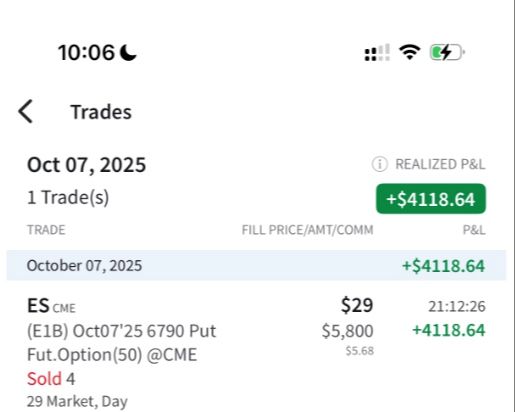
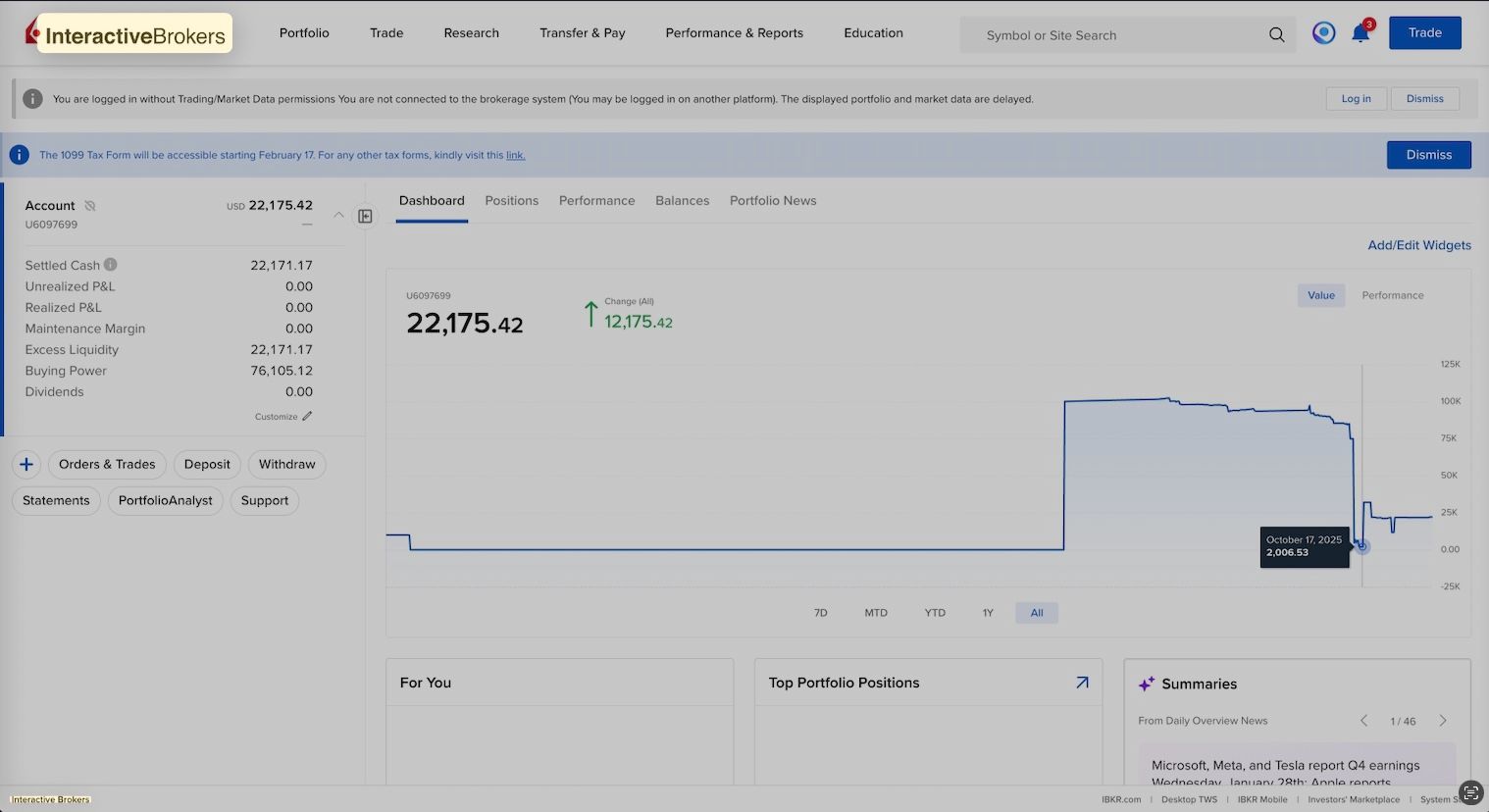
[ Watch Trade Breakdown ]
Â
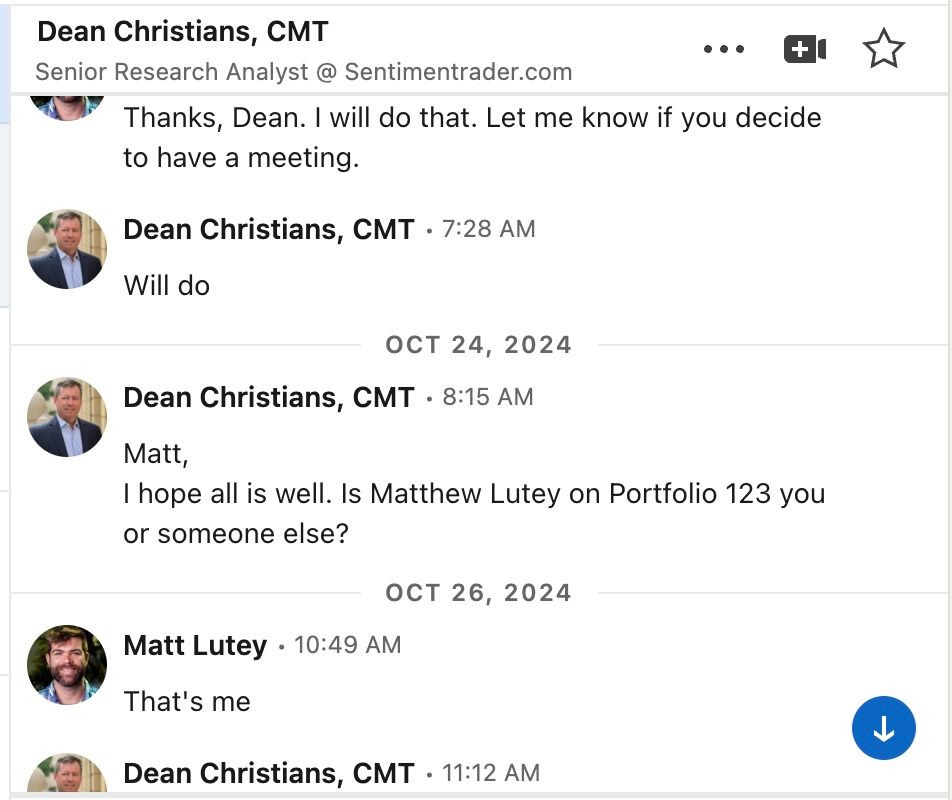
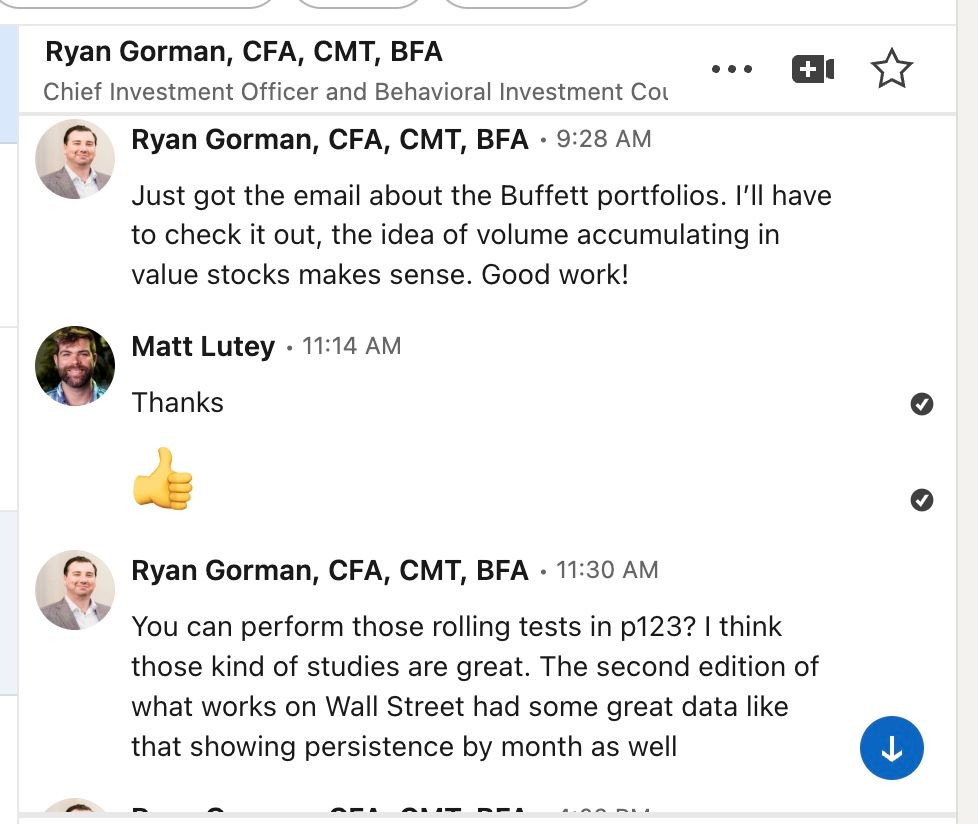
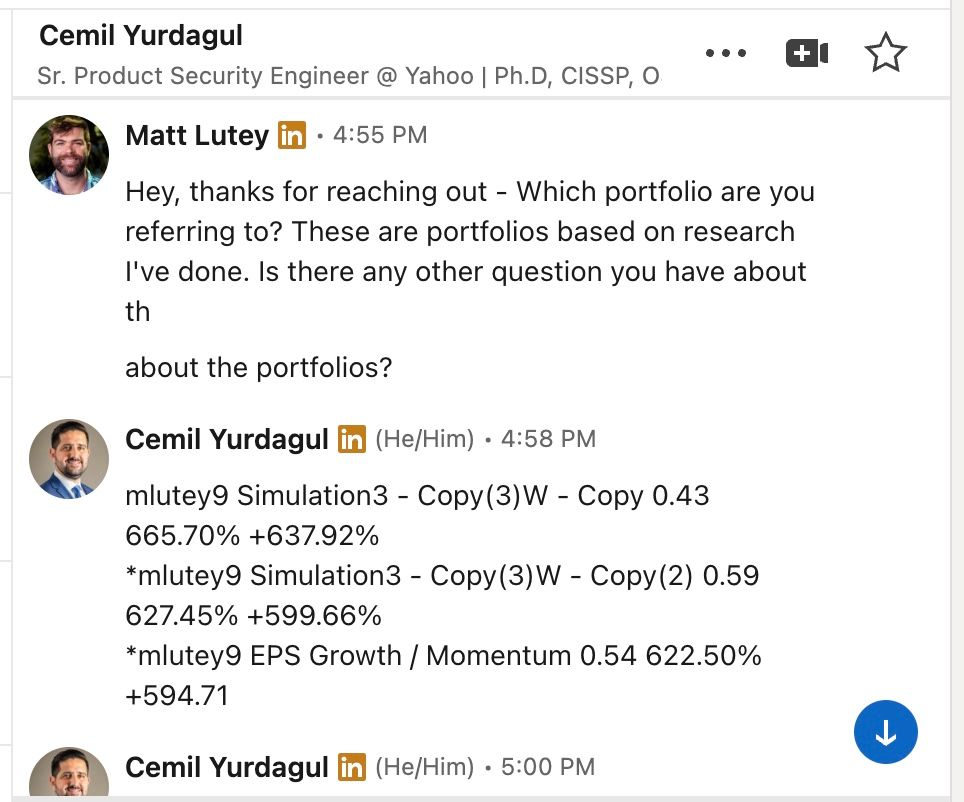
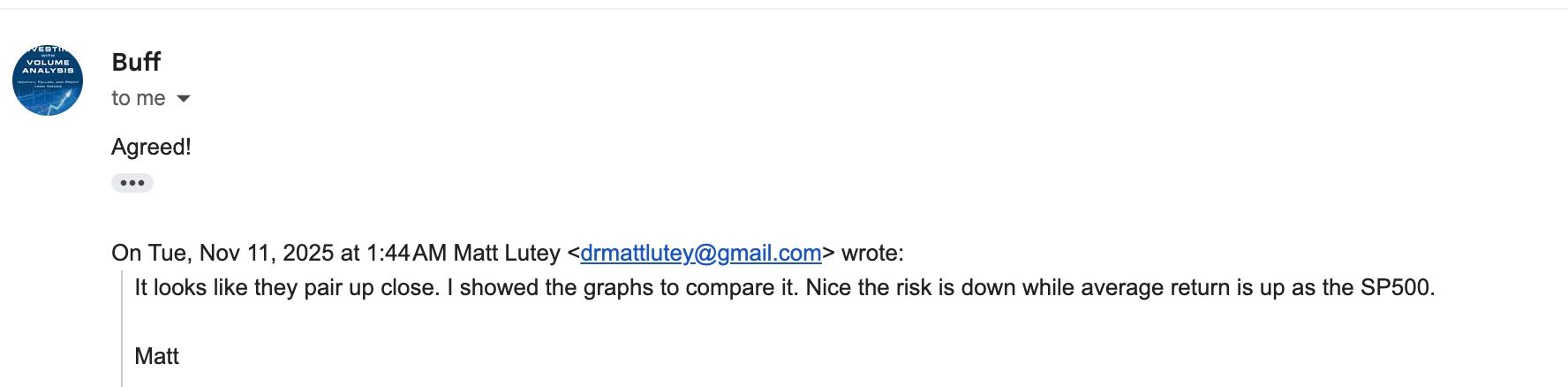
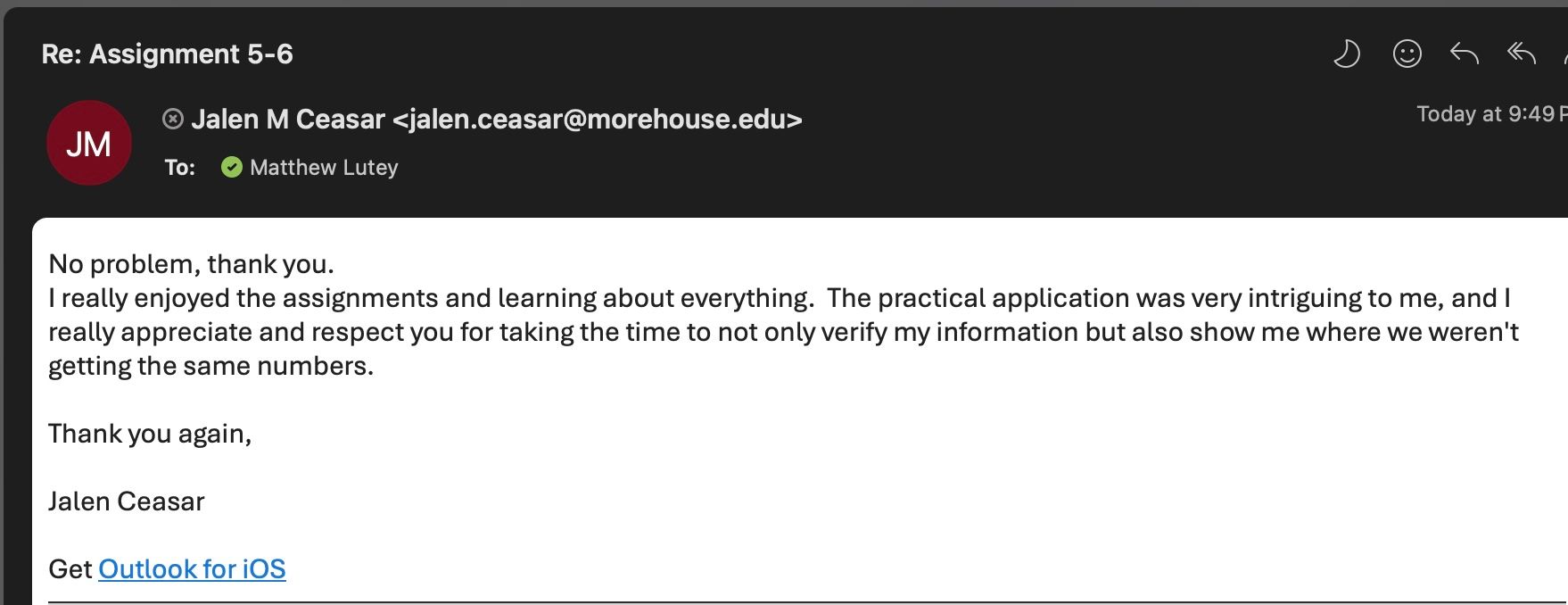
See what paying customers are saying:Â
Access my portfolio models through Pi Trade — an SEC-registered investment platform built by former Goldman Sachs and Amazon executives.
The platform allows users to follow and copy trade the strategies directly, with discounted access available through my partnership link.
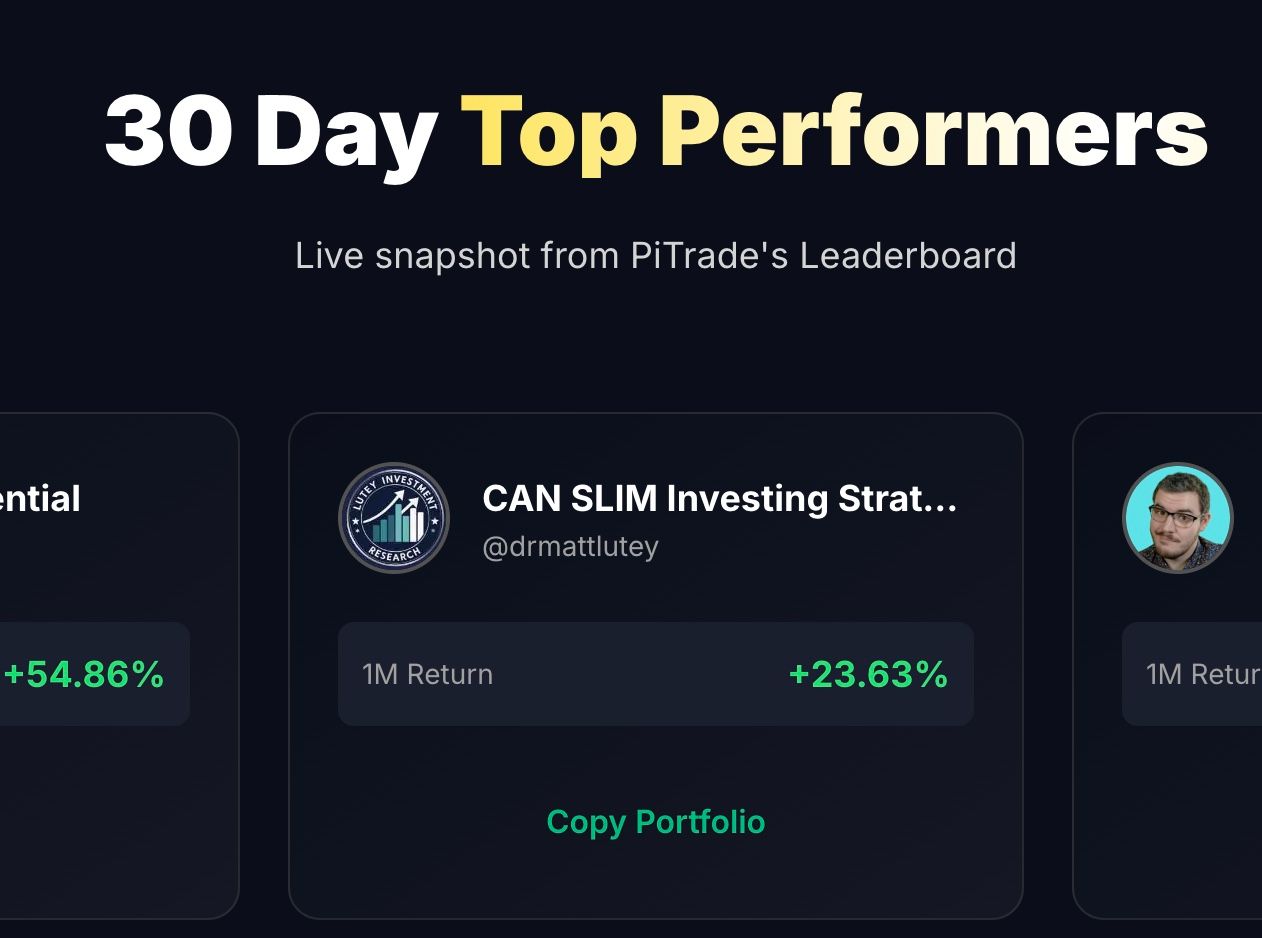
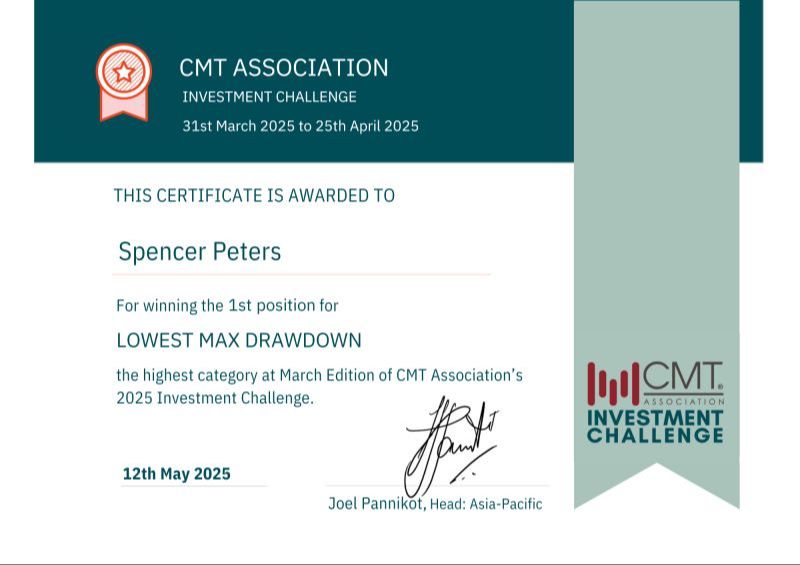
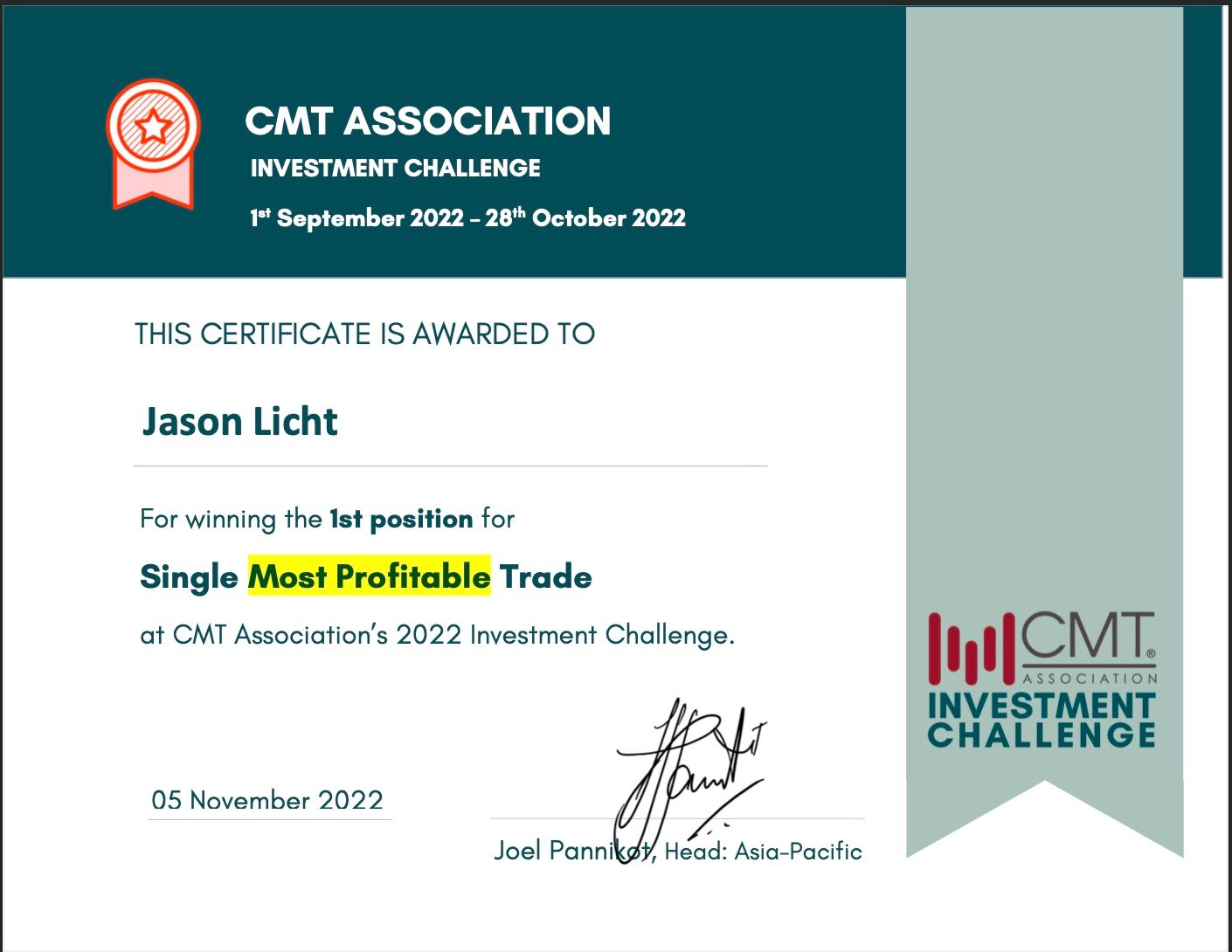
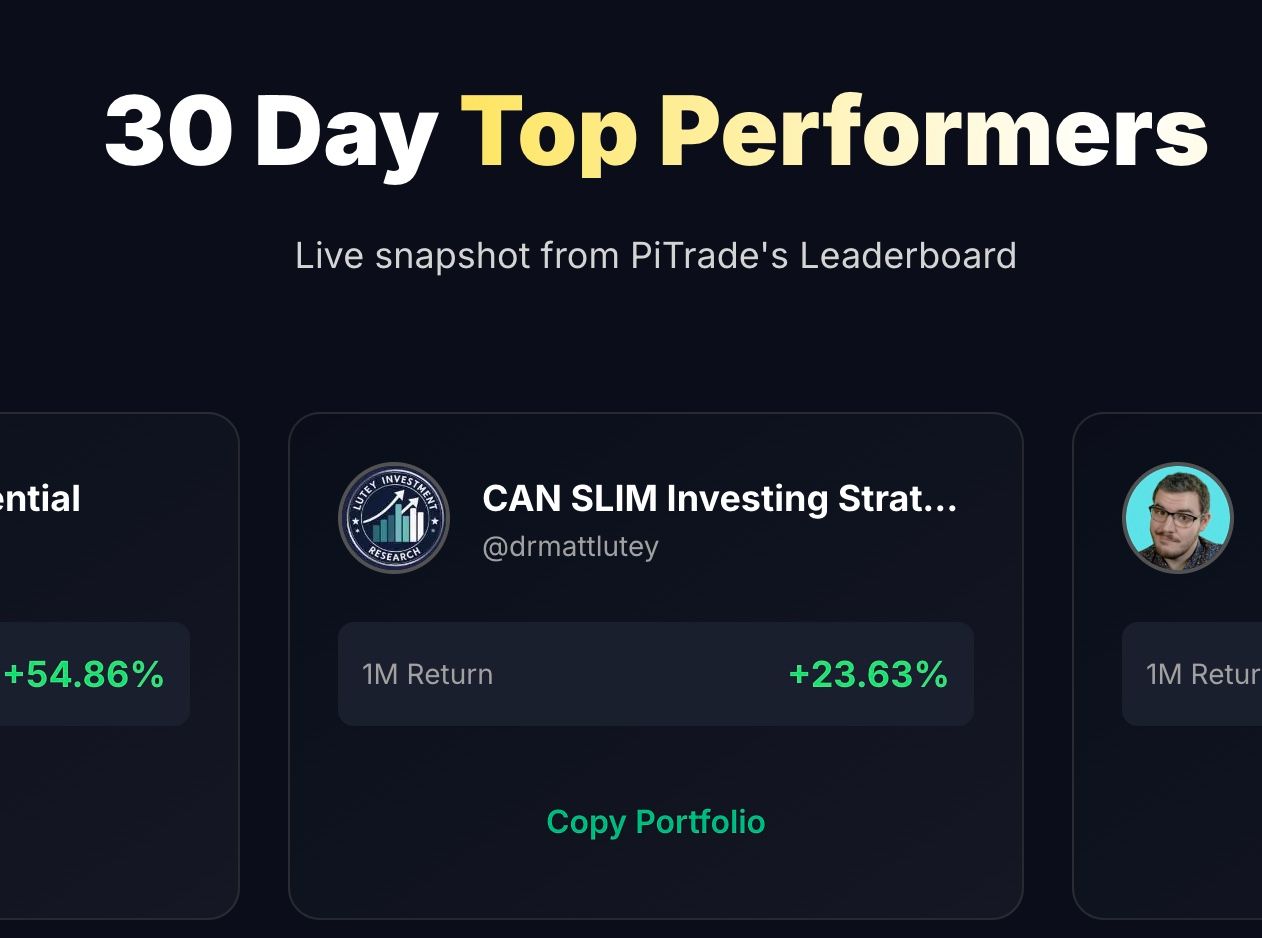
The models have consistently ranked among the top-performing portfolios on the platform, combining quantitative research, tactical overlays, and real-time portfolio construction frameworks.
Pi Trade handles the regulated infrastructure, brokerage integration, and platform operations, while I focus on the research, portfolio design, and ongoing model development.
👉 Start InvestingGet free stock picks that beat the market!Â
Used by Investors, Traders and Advisors
All strategies are built from the same research framework and designed to work together.
Priyanka Ranjan, CEO - PiTrade
ex executive from Goldman SachsÂ
Subscriber to CAN SLIM Lutey Growth, Buffet Lutey Value, Graham Lutey Moderate Hybrid Growth, Lutey Value / Tactical Buffet.Â
"Lutey Growth - CAN SLIM & Lutey Quality - Dividend Buffet both outperformed the SP500 from November 2025-January 15 2026. Performance - Buffett Investing: 7% and CAN SLIM: 9%."
Â
How Matt can help you
Learn Value Investing
Trading Techniques and Tactics
Multiple minute - to multiple hour or day set upsÂ
Longer-term weekly moves to several month trends in stock prices
Spot or identify deep-value opportunities and portfolio tactics for automatically investing in deep value stocks with 30% + upside potential
Â
$500 Portfolio Coaching - Learn to pick stocks in your portfolio using our technical analysis techniques. (After you follow the Lutey Recession Indicator + CAN SLIM Portfolio - Or Portfolio Trio)Â
Click the image above to get started.Â
Free top 2 patterns + $45 tradebook for intraday trading patterns + options optimal setups. $147 webinar discussing how to implement the top 2 patterns. $750/session one hour coaching to walk through the trade book tools further starting with:Â

1. How to get started - setting up an account, forming a complete strategy - implementing and following it -Â
2. Understanding more advanced risk frameworks from a beginner perspective
3. Introducing profit targets and managing risk levels with options
4. Simulated trading - what to look for, how to manage risk and be successful in growing an equity curve ($100,000 -> $200,000 e.g.)
5. Implementing and starting live trading, parsing out your bankroll, understanding your risk tolerance - how much risk you can bet and remain emotionally unaffected.Â
Beyond that - log in once a week to trade in a small group live ($597/week) - Identify patterns + optimal options - I'll call out during market hours around the open (9:30 eastern - 10:30 eastern). Join or log back in for optional later morning or afternoon sessionsÂ
Join the e-mail list for exclusive discounts and offers + stay connected on new material related to trading. Blog post updates or ideas + new trades and updates to the trade book.Â
👉🏼Start TradingFree Sample NYSE (New York Stock Exchange) AMEX (American Mercantile Exchange) C A N S L I M pics
 A brief explanation of the CAN SLIM model below. How this system expands on it and improves it.Â
The How to Make Money in Stocks CAN SLIM system was developed by William J. O'Neil as a hybrid growth investing framework that combines:
-
earnings growth,
-
sales growth,
-
price momentum,
-
institutional demand,
-
and market trend analysis.
It is designed to identify stocks with the potential for major price advances before large institutional moves fully develop.
What CAN SLIM Stands For
C — Current Quarterly Earnings
Look for companies with:
-
strong recent earnings growth,
-
accelerating EPS,
-
and strong revenue growth.
Typical rule:
-
Quarterly EPS growth of +20% to +25% or more.
The idea:
institutions aggressively buy companies showing sudden earnings acceleration.
A — Annual Earnings Growth
Look for:
-
strong annual EPS growth over multiple years,
-
rising return on equity,
-
improving profitability.
Typical focus:
-
3–5 years of annual growth consistency.
This helps avoid one-quarter “fluke” companies.
N — New
A stock often needs a “new” catalyst:
-
new product,
-
new management,
-
new technology,
-
new industry trend,
-
or new price highs.
Examples historically:
-
iPhone launch
-
AI adoption
-
Cloud computing
-
EV expansion
CAN SLIM strongly favors companies making new highs rather than “cheap-looking” laggards.
S — Supply and Demand
This focuses on stock float and trading activity.
Key idea:
-
limited supply + strong institutional demand = explosive moves.
Things examined:
-
trading volume,
-
shares outstanding,
-
accumulation patterns.
Volume surges are especially important.
L — Leader or Laggard
Buy market leaders.
Avoid weak stocks simply because they look cheap.
Typical metrics:
-
Relative Strength (RS)
-
industry leadership
-
momentum ranking
The framework heavily favors:
-
top-performing industries,
-
top-ranked stocks within those industries.
I — Institutional Sponsorship
Look for:
-
mutual funds,
-
hedge funds,
-
pension funds,
-
large institutions
accumulating shares.
Institutions drive large sustained trends because they control massive capital flows.
M — Market Direction
Even strong stocks struggle in bad markets.
CAN SLIM emphasizes aligning with:
-
overall market trend,
-
confirmed uptrends,
-
momentum conditions.
This is one of the most important parts of the framework.
Many traders ignore this piece.
How CAN SLIM Is Used
The system is generally used as:
Step 1 — Screen for Candidates
Investors screen thousands of stocks using:
-
EPS growth,
-
sales growth,
-
RS ranking,
-
industry strength,
-
volume behavior,
-
new highs.
Step 2 — Analyze Charts
Technical analysis is heavily integrated.
Common concepts:
-
breakouts,
-
bases,
-
consolidation patterns,
-
volume confirmation,
-
moving averages.
CAN SLIM is NOT purely fundamental investing.
It is a hybrid:
-
fundamentals + momentum + technical analysis.
Step 3 — Buy on Confirmation
Instead of buying falling stocks,
CAN SLIM investors usually buy:
-
breakouts,
-
strength,
-
confirmation moves.
This differs from traditional value investing.
Step 4 — Manage Risk
Sell rules are critical.
Typical rules:
-
cut losses quickly,
-
avoid large drawdowns,
-
rotate into stronger names.
Many implementations use:
-
7–8% stop-loss rules,
-
moving average signals,
-
relative strength deterioration,
-
volume weakness.
Why CAN SLIM Became Popular
Historically, the framework identified many high-growth winners early in their advances.
Examples often associated with CAN SLIM-style traits:
-
Apple
-
NVIDIA
-
Amazon
-
Microsoft
before or during large institutional growth cycles.
Main Criticism of CAN SLIM
The strategy can:
-
underperform in sideways markets,
-
suffer during sharp reversals,
-
experience whipsaws,
-
buy “expensive-looking” stocks,
-
and rotate frequently.
That is why many modern implementations add:
-
tactical timing overlays,
-
macro filters,
-
moving averages,
-
relative strength filters,
-
or volume indicators.
For example, your own research emphasis using:
-
VPCI,
-
MA10 tactical rules,
-
and defensive allocation overlays
is essentially an attempt to improve the original CAN SLIM framework’s:
-
risk management,
-
market timing,
-
and drawdown control.
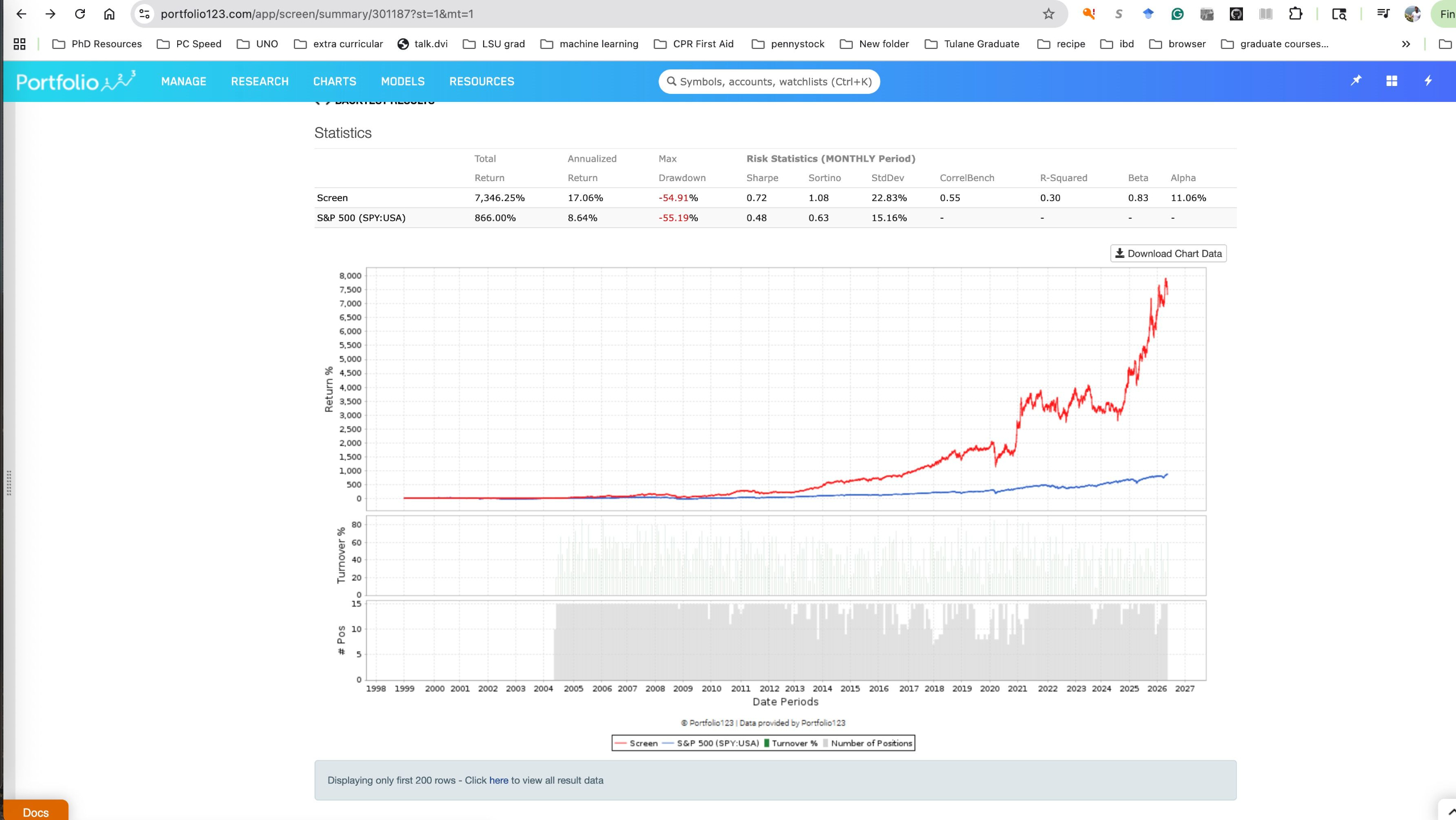
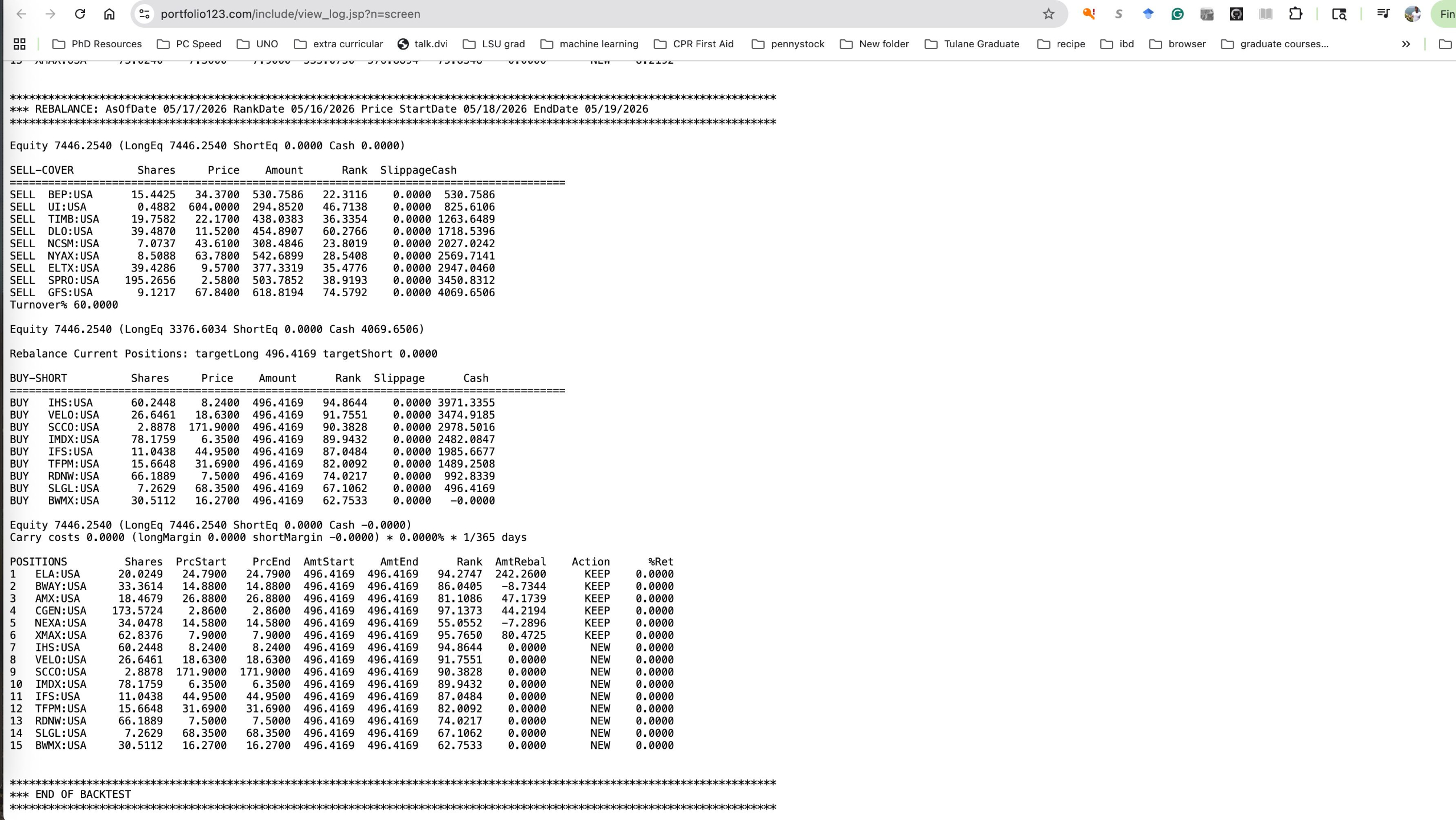
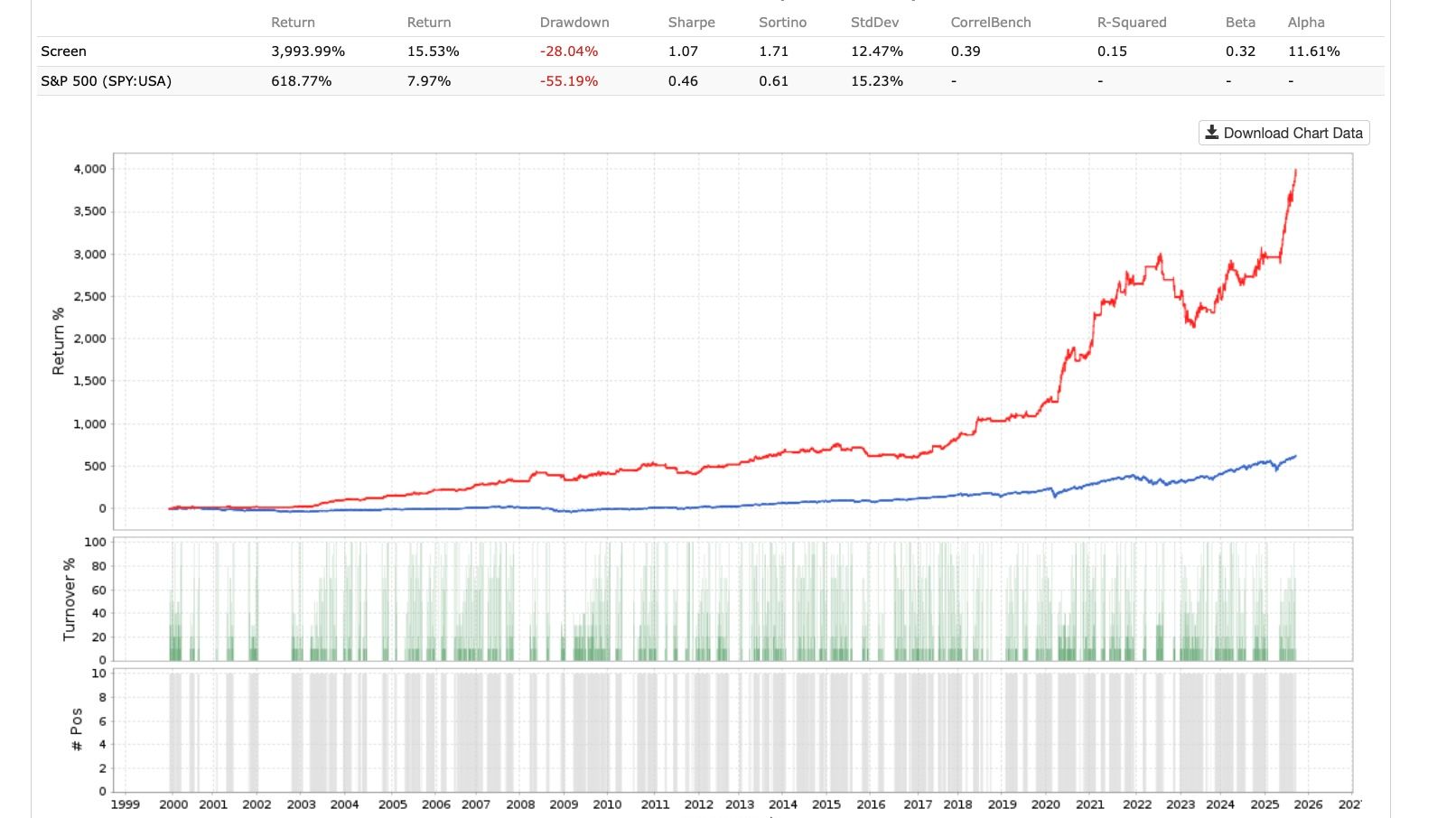
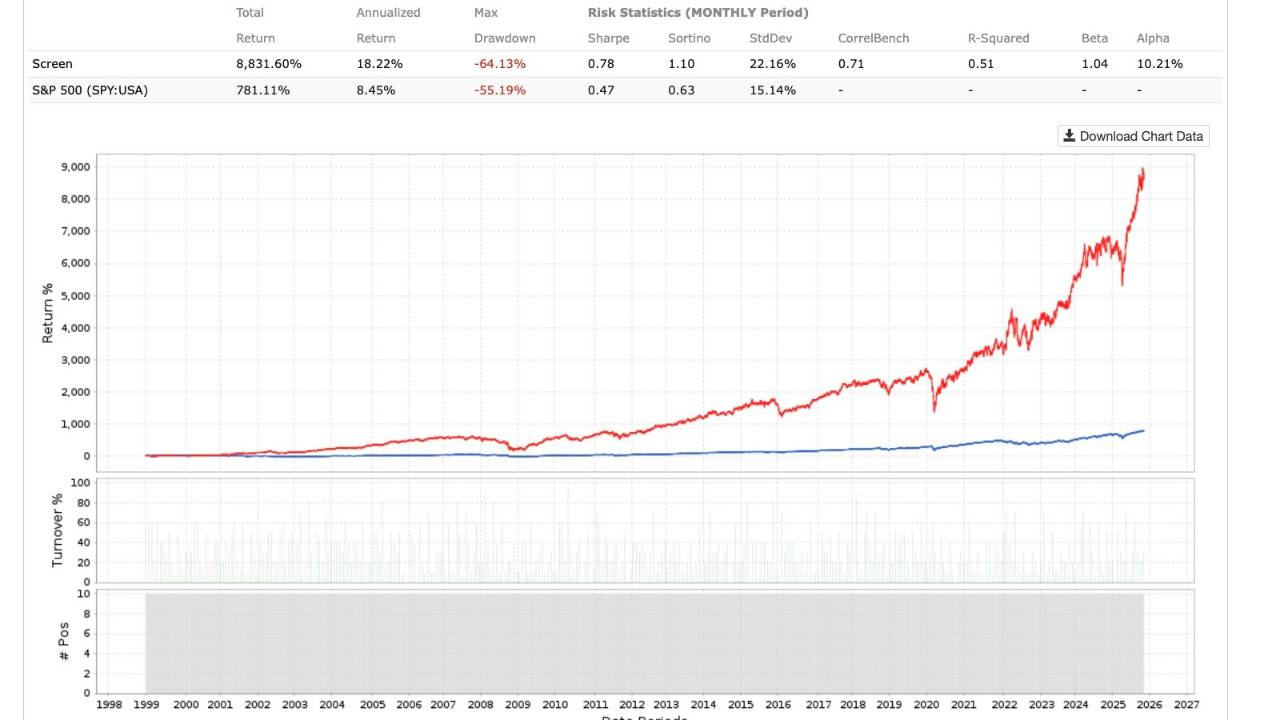
 A sample rebalance following the CAN SLIM system for May 19 2026 - the most recent rebalance. See below the passing stocks and return and risk interpretation going back to 1999 and compared to the overall U.S. stock market Sp500 - (interpretation from Chat-GPT):
This portfolio appears to be a high-momentum, tactical CAN SLIM–style strategy with active rotation and ranking logic, likely integrating:
-
relative strength,
-
momentum persistence,
-
volume confirmation,
-
and tactical replacement of weakening holdings.
The results show a classic “high-upside growth rotation” profile rather than a low-volatility defensive strategy.
Interpretation of the Equity Curve
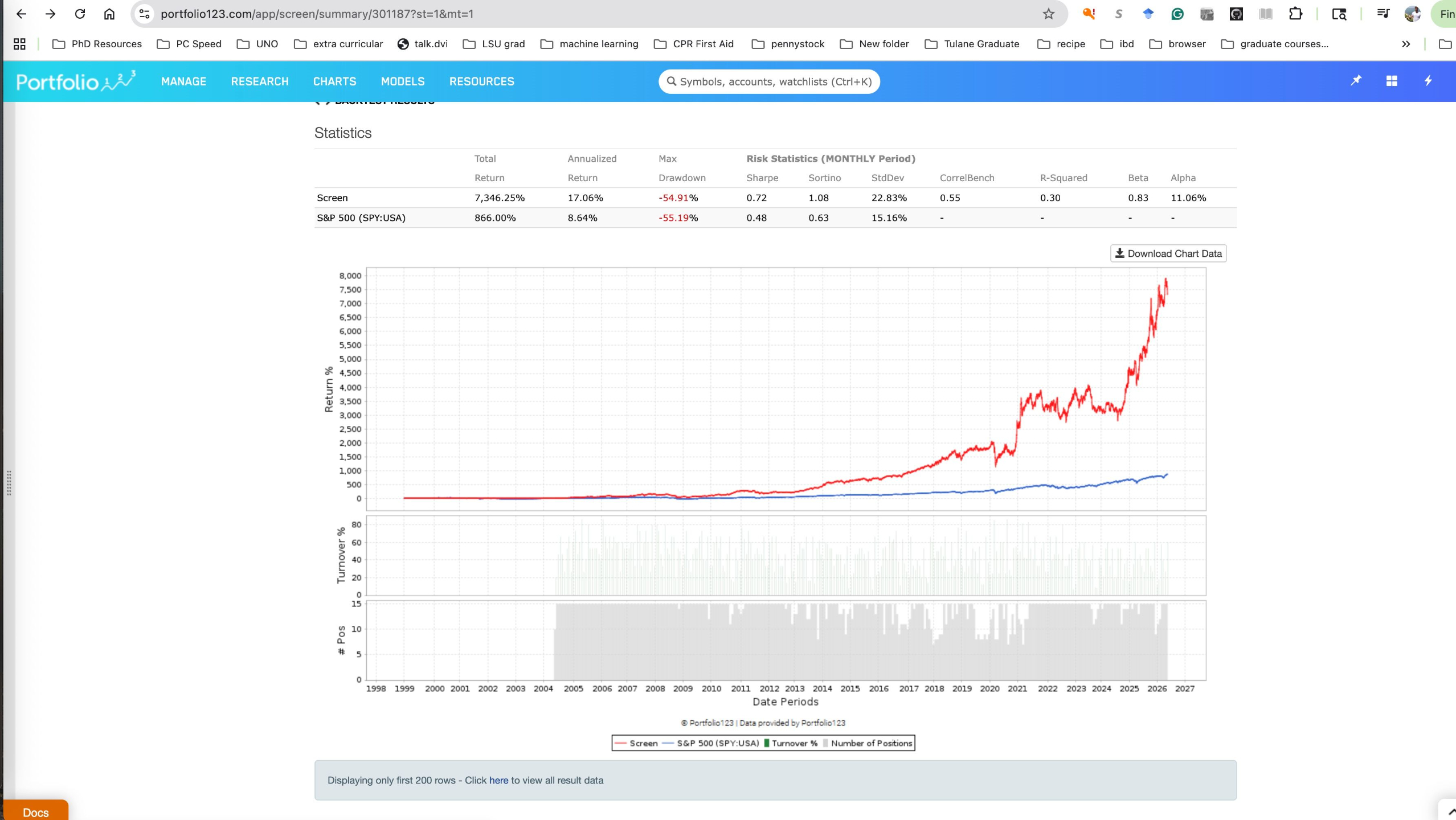
The red equity curve substantially outperforms the benchmark over the full test period.
From the statistics table:
| Metric | Strategy | S&P 500 |
|---|---|---|
| Total Return | 7,346% | 866% |
| Annualized Return | 17.06% | 8.64% |
| Max Drawdown | -54.91% | -55.19% |
| Sharpe Ratio | 0.72 | 0.48 |
| Sortino Ratio | 1.08 | 0.63 |
| Std Dev | 22.83% | 15.16% |
| Beta | 0.83 | — |
| Alpha | 11.06% | — |
Why the Higher Standard Deviation Is Acceptable
At first glance, critics may focus on:
-
the higher standard deviation (22.83%),
-
and the aggressive equity curve.
However, standard deviation alone is often misleading for high-growth strategies because it penalizes:
-
upside volatility,
-
and downside volatility equally.
That creates a major issue for growth investing.
A strategy experiencing explosive upside momentum will naturally produce:
-
larger return swings,
-
stronger accelerations,
-
and higher volatility measures.
But not all volatility is bad.
The Importance of the Sortino Ratio
The Sortino Ratio improves on the Sharpe Ratio because it isolates:
downside deviation only
rather than:
-
upside + downside together.
This is important because investors generally:
-
want upside acceleration,
-
while avoiding downside instability.
The strategy’s:
Sortino Ratio = 1.08
versus
S&P 500 Sortino Ratio = 0.63
suggests the portfolio generated substantially better returns relative to harmful downside volatility.
In other words:
the additional volatility appears to come disproportionately from:
-
upside expansion,
-
momentum surges,
-
and asymmetric positive returns
rather than destructive downside instability.
Why Maximum Drawdown Matters More Here
For tactical growth systems,
maximum drawdown is often the more practical risk metric.
Why?
Because it measures:
-
the actual peak-to-trough capital decline
an investor would experience psychologically and financially.
Here:
| Metric | Strategy | S&P 500 |
|---|---|---|
| Max Drawdown | -54.91% | -55.19% |
This is extremely important.
Despite producing:
-
nearly double the annualized return,
-
and massively higher cumulative return,
the strategy experienced a drawdown profile roughly consistent with the broader U.S. equity market.
That means the system:
-
did not require materially worse downside pain
to generate the excess returns.
Interpretation of the Passing Stocks
The rebalance log shows active replacement of weakening holdings with stronger-ranked momentum names.
Stocks sold included:
-
weaker relative strength transitions,
-
deteriorating rank positions,
-
or likely failures of the momentum/technical confirmation process.
New additions included names such as:
-
IHS
-
VELO
-
SCCO
-
IMDX
-
IFS
-
TFPM
-
RDNW
-
SLGL
-
BWMX
while several stronger holdings remained:
-
ELA
-
BWV
-
AMX
-
CGEN
-
NEXA
-
XMAX
This suggests the model is operating as a:
-
dynamic ranking system
rather than a passive buy-and-hold allocation.
What the Rebalance Suggests About the Strategy Logic
The rebalance behavior implies:
-
stocks are continuously ranked,
-
lower-ranked names are removed,
-
capital rotates into improving momentum candidates,
-
and technical persistence is rewarded.
The turnover (~60%) confirms the strategy is:
-
tactical,
-
adaptive,
-
and responsive to changing leadership.
This is consistent with:
-
CAN SLIM principles,
-
relative strength investing,
-
and momentum rotation systems.
Risk Interpretation
This is not a low-volatility strategy.
It is a:
high-upside tactical growth strategy
designed to:
-
maximize asymmetrical upside participation,
-
while maintaining drawdown behavior comparable to the broad market.
The key evidence supporting that interpretation is:
-
higher Sortino ratio,
-
higher Sharpe ratio,
-
lower beta than expected (0.83),
-
and maximum drawdown nearly identical to the S&P 500 despite vastly higher returns.
That combination suggests:
the strategy historically generated superior upside capture efficiency rather than simply taking reckless downside risk.
Overall Interpretation
The portfolio appears to demonstrate:
-
successful long-term momentum capture,
-
tactical rotation into market leadership,
-
effective replacement of deteriorating holdings,
-
and strong upside asymmetry.
The most important statistical takeaway is likely:
The strategy generated materially higher compounded returns without materially worsening maximum drawdown relative to the S&P 500, while the elevated standard deviation appears largely attributable to upside volatility — reflected in the stronger Sortino Ratio.
Â
👉 Start With Portfolios →
Meet Dr. Matt Lutey
Matt has studied technical analysis and portfolio construction since 2010. Over the last 15 years, he has refined his processes and models, drawing on conversations with mentors and advisors outside the classroom. He received his Ph.D. in Engineering from the University of New Orleans in 2018. He's based out of Atlanta, GA and serves clients locally and nationwide / globally.Â
Blending traditional financial planning with modern tools like AI, without losing sight of human judgement.Â
Education & University‑Level Classes
In addition to working with clients one‑on‑one, I also teach university‑level finance courses that I now offer to the public. These are for professionals who want a deeper, structured understanding of how markets and corporate finance actually work.
- Corporate Finance
- Investments
- Stock Valuation (theoretical)
- International Finance
- Advanced Corporate Finance (graduate / MBA level)
Ideal for serious individual investors, finance professionals, and those seeking structured continuing education in finance.
I teach university‑level finance and investing courses designed so anyone can understand how portfolios are built and evaluated, regardless of their starting point.
If you’ve ever felt in the dark about what’s happening in your investments, these classes give you the foundation you were never taught.
View Classes & Certificates
Mentoring
Engage in career in finance mentoring for undergraduate, incoming PhD student, current or late stage PhD student or recently graduated. Industry parnters looking to publish researchÂ
Consult with Matt